

Here are seven practical landing tips that I don’t think get talked about enough that are not only going to help you improve your landings, but I promise it’s going to help you in your confidence.
I also cover all of the material in this article in the video below. 👇
#1) Treat Landing as a Flight Maneuver
Emphasis on the word flight here because we really need to take ownership of the whole process to say, “Hey, the airplane is still flying and since I’m pilot in command, I need to put the wheels on the ground when and where I want them.”
It’s a different approach than the way a lot of us learn, which is basically having the airplane land itself by stalling just above the ground and letting it settle onto the runway. But to me, that makes you more of a passenger in the process rather than the pilot in command.
So, it’s kind of a mindset shift first and foremost to say, “No, I’m going to take ownership and realize that this whole thing, including putting the airplane’s mains on the ground, is very much a flight maneuver.”
Just like you can practice slow flight, turns, and other flight maneuvers, landing itself is a flight maneuver, even though you’re ultimately touching the ground.
#2) Nail Your Airspeed
To set up this whole flight maneuver, everything comes down to airspeed.
One of the best pieces of advice an instructor ever gave me on this topic is to carry the same mantra through all phases of landing: high, low, fast, or slow. And what are you going to do about it?
A lot of times you’ll hear, ‘Oh, we’re high and we’re fast.’
Okay, well then what are you actually going to do about it? This really comes back to doubling down on the idea that you are in control of everything. You should get to the point where you can make the airplane do exactly what you want.
A lot of us get lazy here. If you’re shooting for 60 knots or whatever, it’s easy to say, “Oh, we’re going 65, 67, whatever.” But that “whatever” usually means you’re going to land long. You’ll get down in ground effect and just float down the runway.
We all see it while we’re waiting to take off. You can watch someone coming in way too hot and think, “They’re going to touch down halfway down the runway because they’re way too fast.” And so airspeed is everything.
#3) Trim Religiously
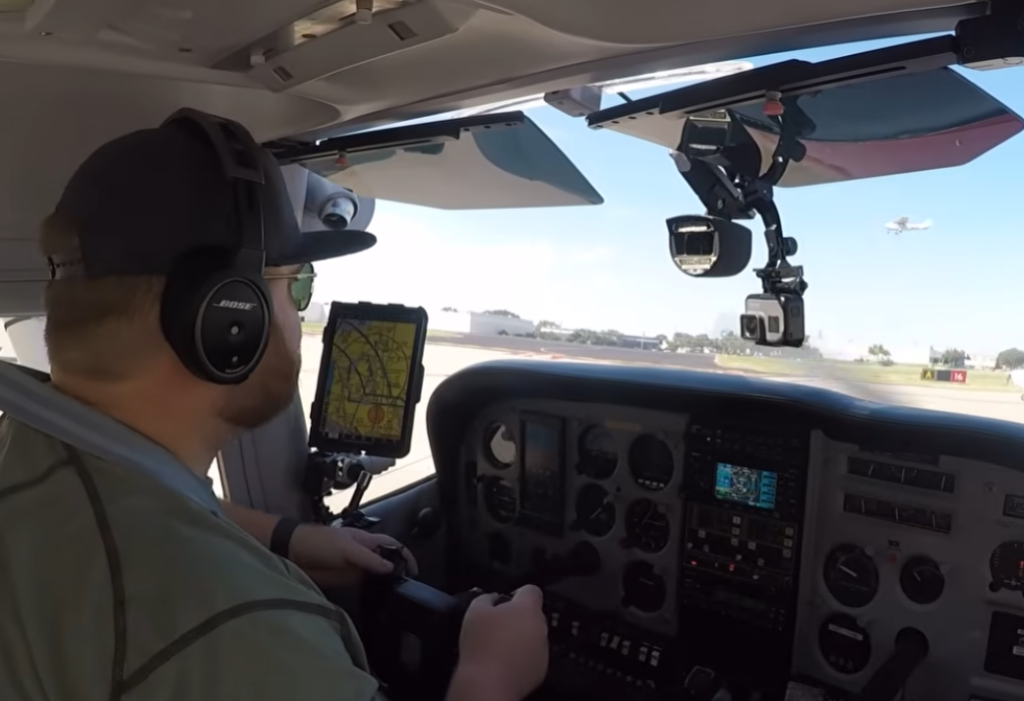
The biggest way you can control airspeed and be disciplined with it is to trim religiously.
This was really drilled into me early on as I was learning to fly a Super Cub. Just really trim the airplane to do exactly what you want it to do. And it’s a beautiful thing.
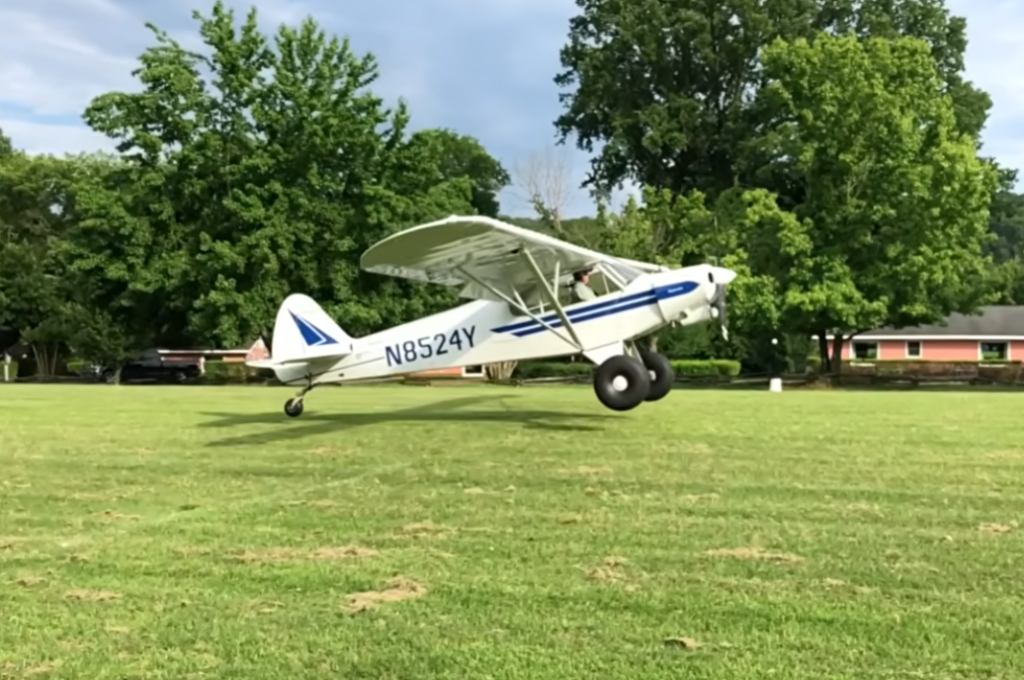
It goes back to slow flight, where you’re saying, “Hey, let’s get the airplane at 50 miles an hour and hold it there.” You configure the airplane and trim it to where you can basically be hands off and the airplane is just going to stay there.
You can do the exact same thing with landing.
If you’re at 65 knots but you should be at 60, give it some trim. Give it some nose up trim. Let it settle into that airspeed. Pitch for airspeed, power for altitude. And if you do that religiously, it is going to work wonders for your landings.
#4) Don’t Get Spoiled on Long Runways
Next, I think it’s good to remember that the airport you’re learning at, the runway you’re practicing on is probably enabling a bad habit. Don’t get spoiled on long runways.
My home airport, Addison Airport, is about 7,000 feet long. And if you’re not careful, you can get really spoiled on a runway that long.
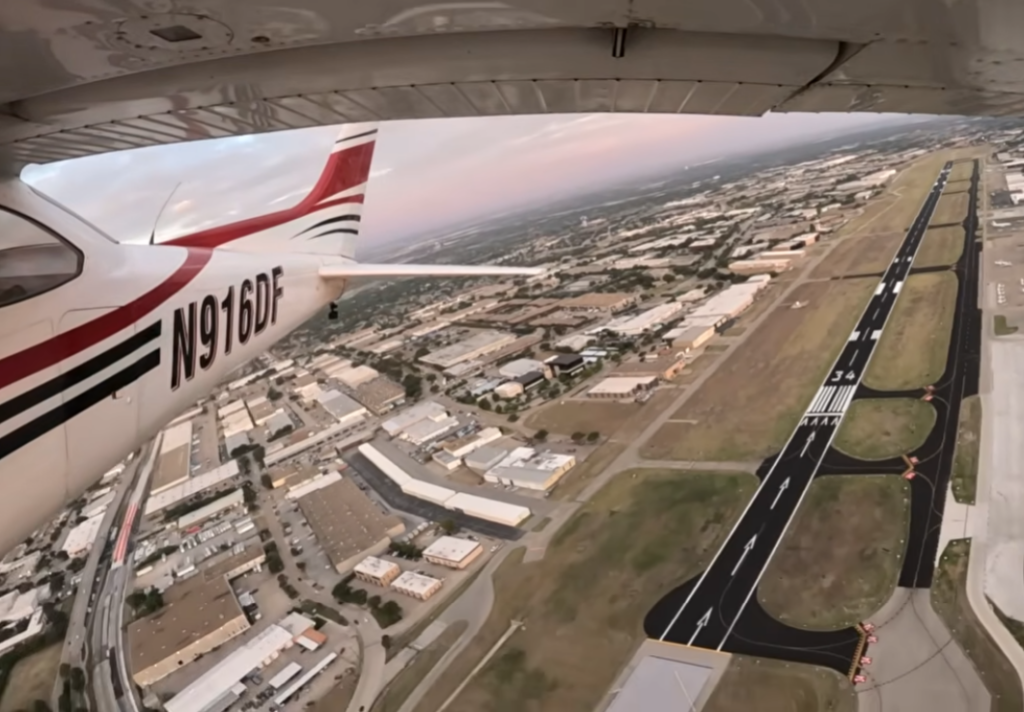
That’s not a big deal until you try to land in more interesting places. Maybe the airstrip is only 2,000 feet or less. If you’re used to a long runway, it’s easy to be lazy on approach speeds and aiming points because you have so much room.
But it will come back to bite you.
So, I try to approach the runway pretending it’s not 7,000 feet. Pretend it’s 1,500 feet and you have to hit your spot and control your airspeed. You can work up to this, but forcing those constraints creates much better landings.
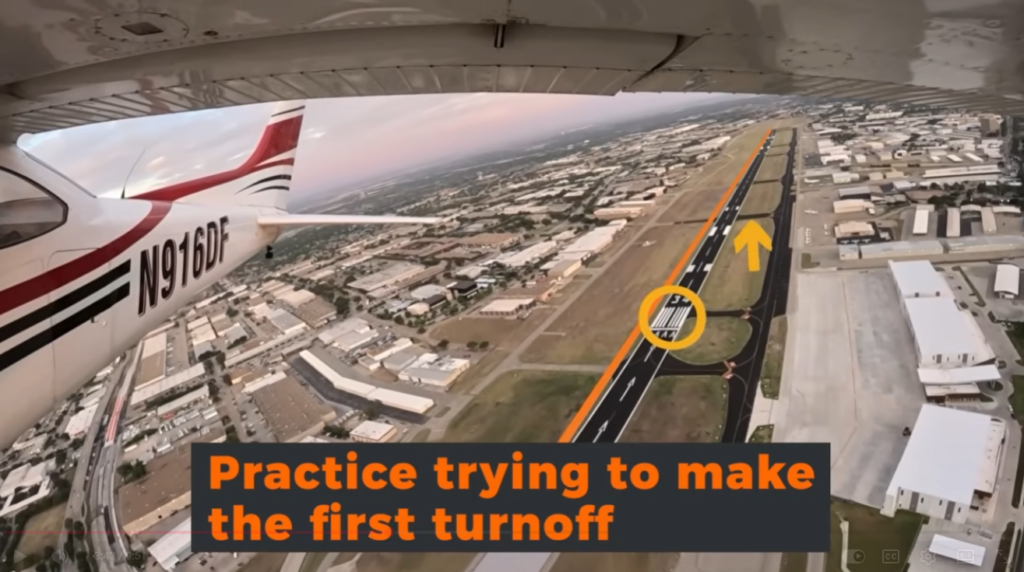
#5) Have an Aiming Point
This next one was really eye-opening for me.
I got to train with TacAero, and we were working on spot landings over and over, trying to nail a specific point, and I kept floating past it.
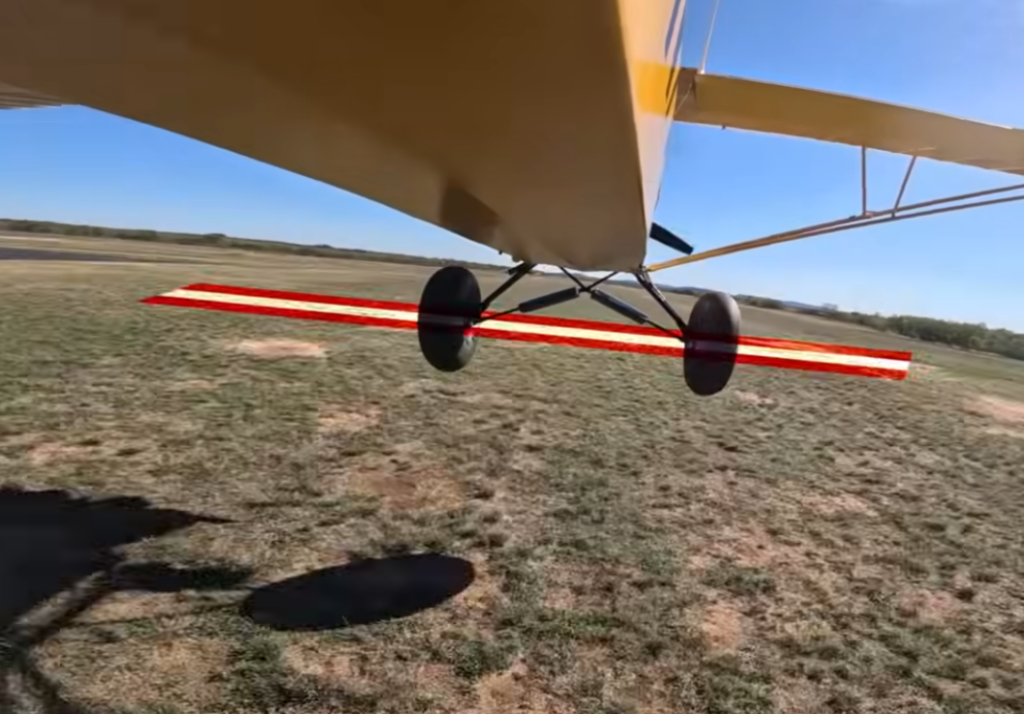
What I realized later was that I was aiming at the aiming point.
But the trick is to aim short of the aiming point. You have to factor in the flare and ground effect.
If you say, “I want to land on the thousand foot markers,” and you stare at them and fly to them, you’re going to float right past them.
So, you need to aim short so that when you flare, you actually touch down where you want.
Try this the next time you fly. Pick a very specific aiming point.
Not “around the numbers.” Say, “I want to touch down exactly on this point.” Then aim short so you can account for flare and ground effect and actually hit it.
#6) Intentionally Practice Flying in Ground Effect
One thing that makes landing hard to master is that you’re not in the landing phase very long. That moment in ground effect is a tiny fraction of the flight, but it’s where everything happens.
One exercise that really helps is to fly a portion of the runway in ground effect.
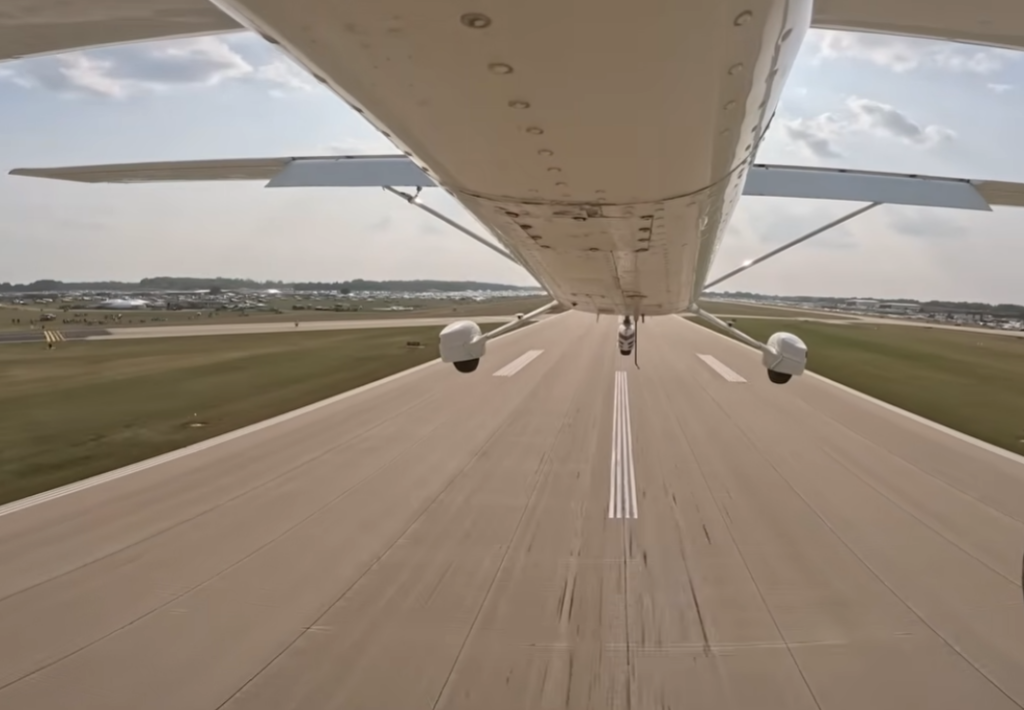
You’re only a few feet off the ground, but you’re feeling what the airplane feels like in that phase. It’s different from approach and cruise.
You can fly down the runway safely, give yourself plenty of margin, and just stay in ground effect. Then touch down farther down the runway or go around and do it again.
This builds comfort, improves your sight picture, and helps you judge height above the ground.
Because otherwise, everything below 50 feet happens instantly. And that’s the most important part.
#7) Practice Slow Flight
If you want to be able to do all of this well, there’s one maneuver that ties everything together.
And that’s getting really, really good at slow flight.
Flying slow is the foundation for good landings. If you’re always fast, you’re going to float, land long, and struggle with spot landings.
Practicing slow flight, even at altitude, gives you more time feeling what it’s like to manage energy without excess speed.
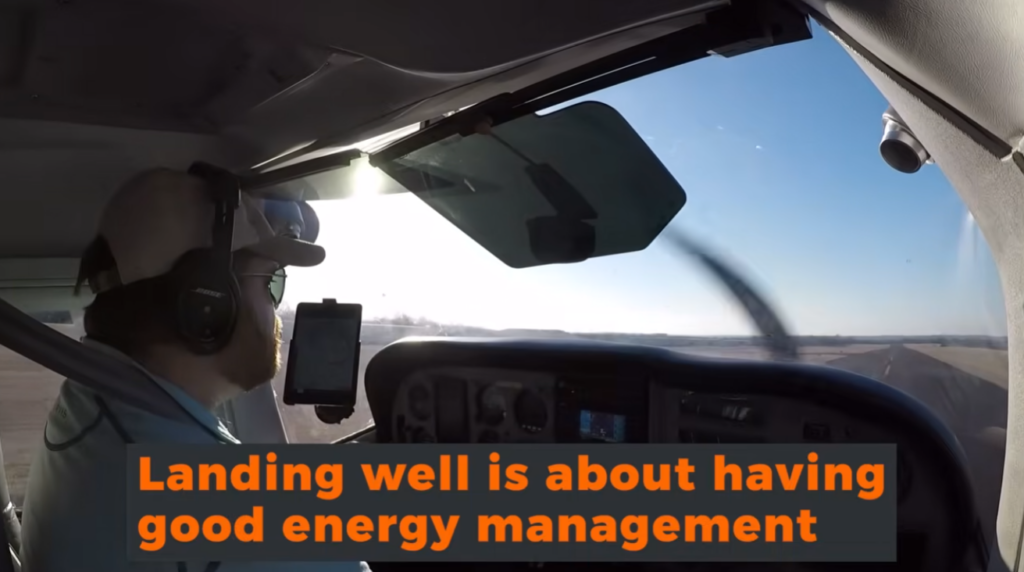
Landing well comes down to energy management and slow flight is one of the best ways to get better at it.
Encouragement
All of this is doable with practice.
There may be people reading this who feel like they just don’t have landings yet and aren’t sure if they ever will. But I promise this will come with time.
Think about learning to drive on the highway. That felt intimidating at first, and now it’s second nature.
Flying is more challenging, but the same idea applies. Your brain will build the muscle memory if you stick with it.
Give yourself some grace and hang in there.
I spent a few weeks putting together a free PDF with 88 different takeaways I’ve learned over my years of flying.
It includes all the lessons I’ve learned, the things I’ve messed up, and the things that have gone well, all broken into really skimmable takeaways.
Each one is highlighted so you can quickly go through and pick out things that can hopefully help you in your flying journey.
You can grab it for free at airplaneacademy.com/takeaways.
Final Thoughts
Probably the best training I’ve had in energy management came from working toward shorter and shorter landings, including landing on a sandbar. I learned a ton from that experience, and I break it all down in the video below.