

I got to spend 3 days flying the brand new Cessna Turbo 206, and it’s NUTS. I’m going to walk you through the key features and the highlights from my time with it. This experience completely opened my eyes to how capable this airplane really is.
I also cover all of the material in this article in the video below. 👇
Useful Load
By the book, this airplane has 1,441 pounds of useful load. For comparison, the new 182 has 1,110 pounds of useful load, the turbo 182 has 998, and a 172 has about 878.
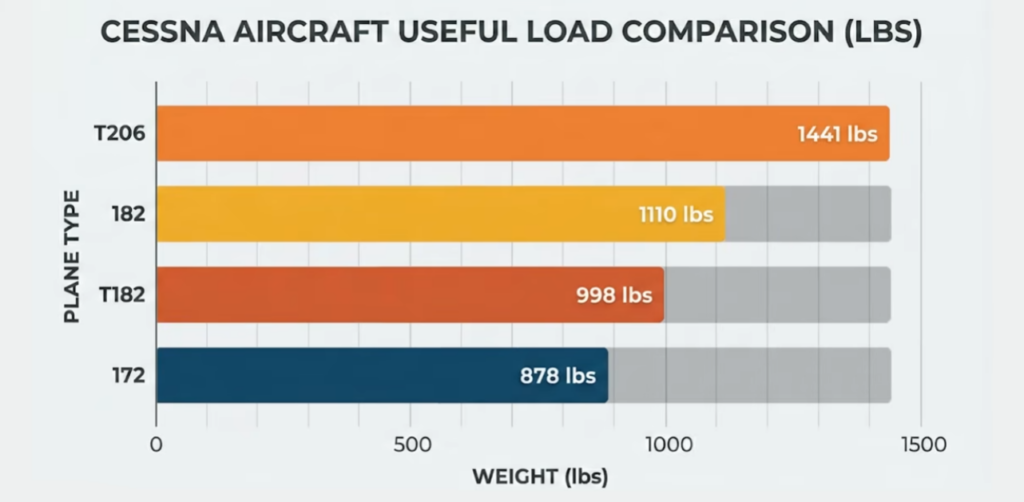
With the 206, you’re getting a substantial increase in useful load, but what does that mean practically?
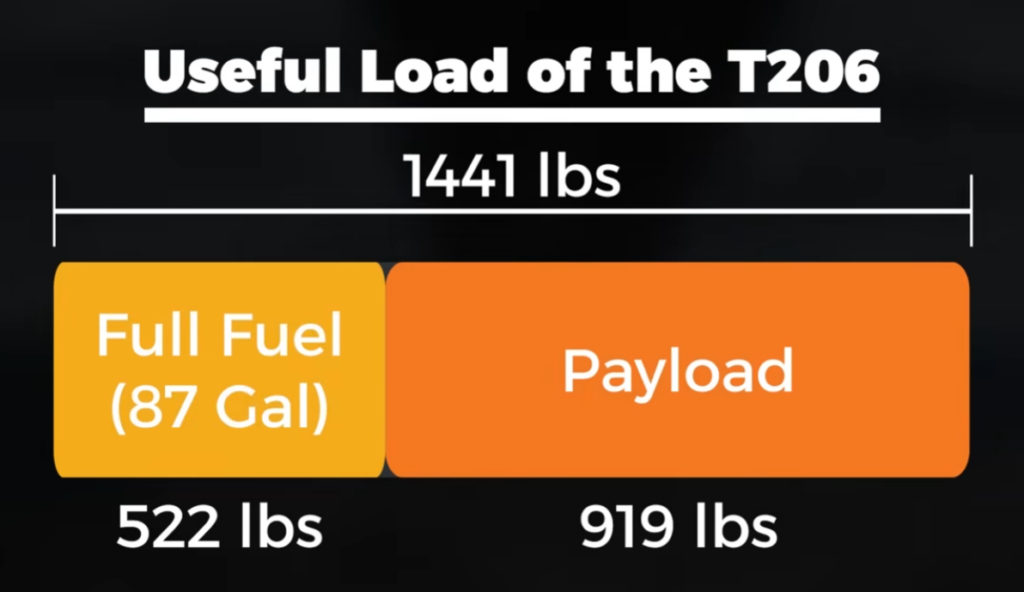
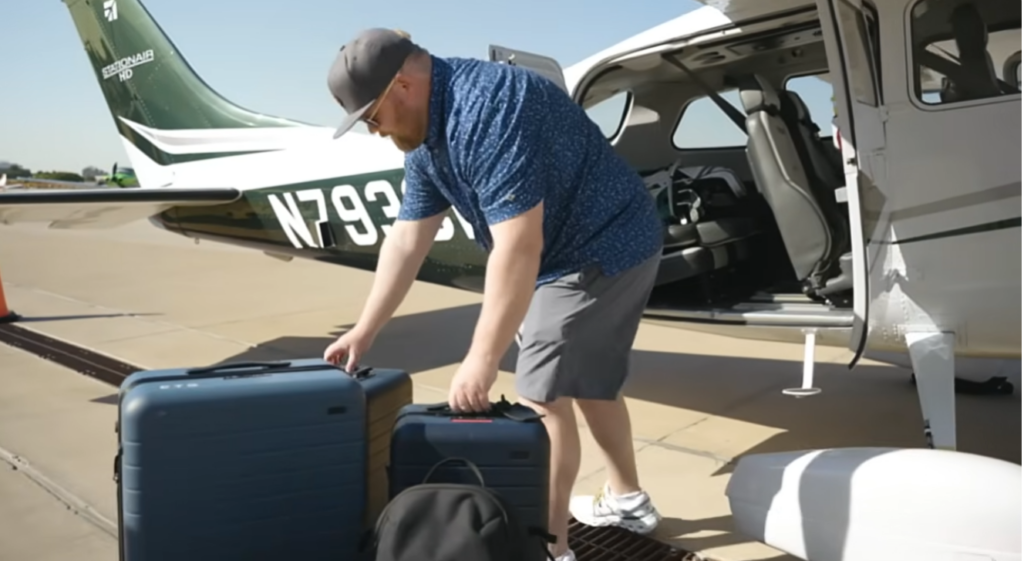
Well, full fuel in this airplane is 87 gallons, which means with full fuel you can STILL carry a little over 900 pounds of people and stuff.
This is also an airplane I would feel totally comfortable adding air conditioning to. Air Conditioning weighs about 56 pounds, but you have the useful load margin to do it. On some smaller planes I would think twice about that, but on the 206, I would absolutely do that.
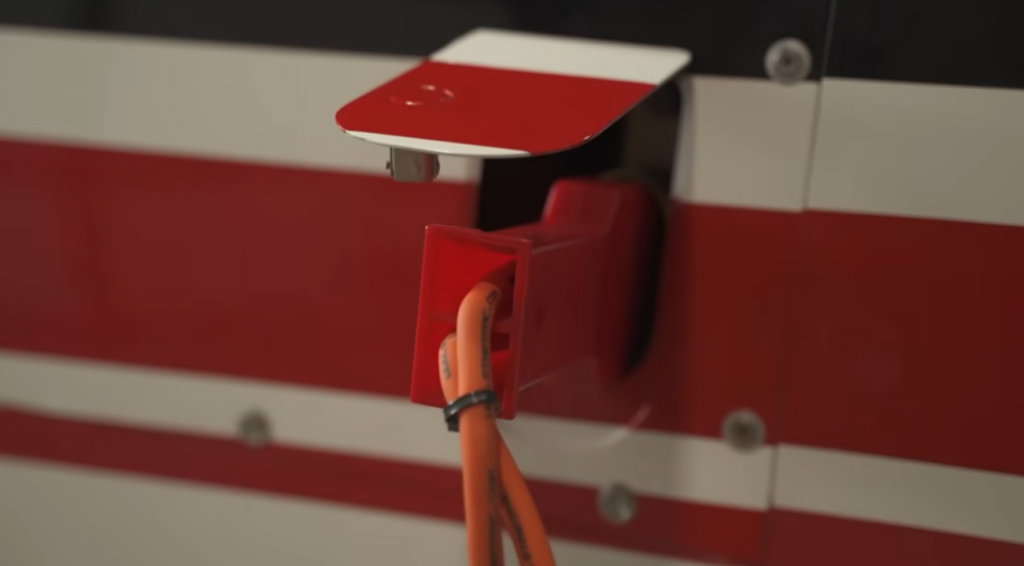
There’s also cool feature on the 206 that you can plug it into external power and hit a button on the outside of the plane and turn on the air conditioning to cool a heat-soaked plane before you ever get in it.
Range / Speed
By the book this airplane has 703nm of max range. The 182 and turbo 182 have a little more than that, but this is one of those things where you have to consider the practical application.
You’re probably not pulling the power back trying to get absolute max range out of your airplane. You’re probably cruising as fast as you can and making it until your legs or bladder need a break.
So, I think the more practical application is looking at cruise speed and fuel burn and seeing how far you’ll make it in a realistic leg.
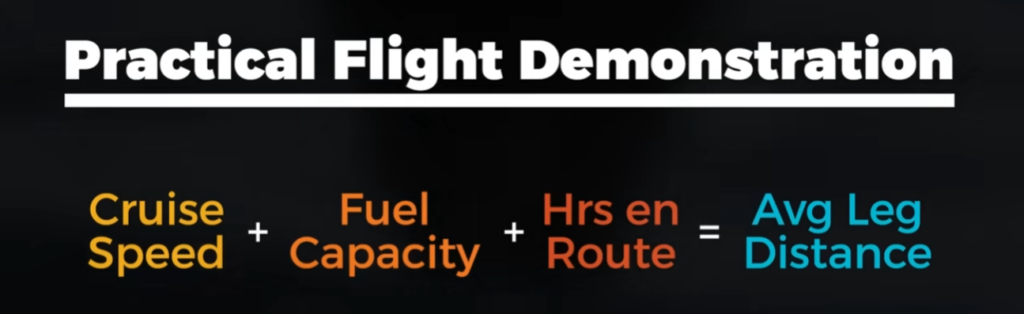
The turbo 206 has a max cruise speed of 161 knots. At 14,500 feet we were getting about 158kts of true airspeed. On a previous flight in the 206, we did get that published 161 knots up at 17,000 feet. Down low you’ll be a little slower than that. Higher up is where that turbo really shines.
Full fuel is 87 gallons and we were burning right around 20gph. In an example flight with a climb, 3 hours at cruise, plus a descent, that would get you comfortably over 500 miles which is a pretty long leg. That’s about as far as I usually fly anyways, and honestly usually shorter than that just for comfort.
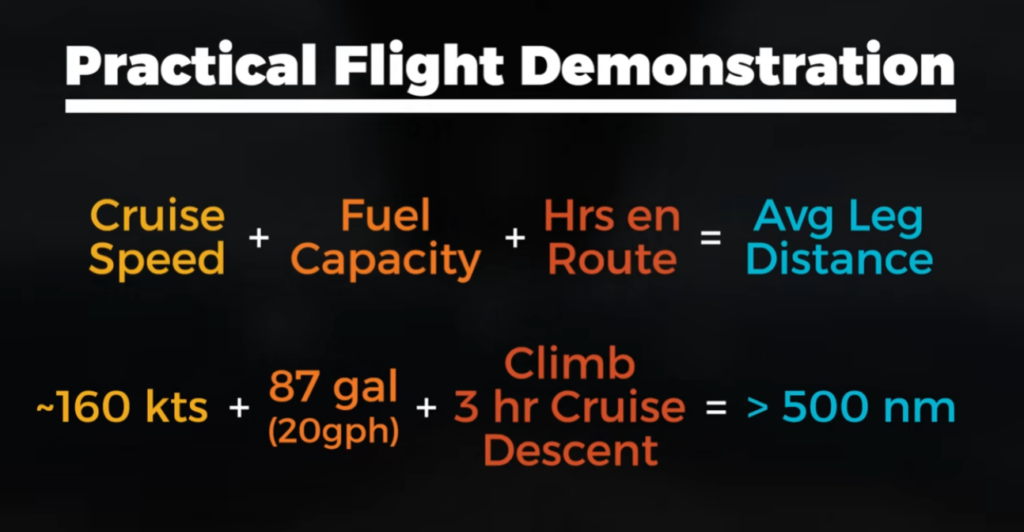
While other airplanes have a larger range profile than the 206, in most of your flights I don’t think you’re really going to notice.
Plus, in those other airplanes with larger range, you won’t be able to carry as much as you can in the 206, so there are tradeoffs.
Climb
Where you WILL notice a big difference in the turbo 206 is the climb performance, even at high altitude. When we took off from Colorado Springs to go to Aspen, we had full fuel, 3 people, and lots of camera gear.
We were climbing through 8,500 feet and were comfortably getting 850fpm climb, going about 100 knots. We could have been climbing steeper as well, as Vy is 87knots. Later on, we were at 13,500 feet going about 95 knots STILL climbing at 850fpm.
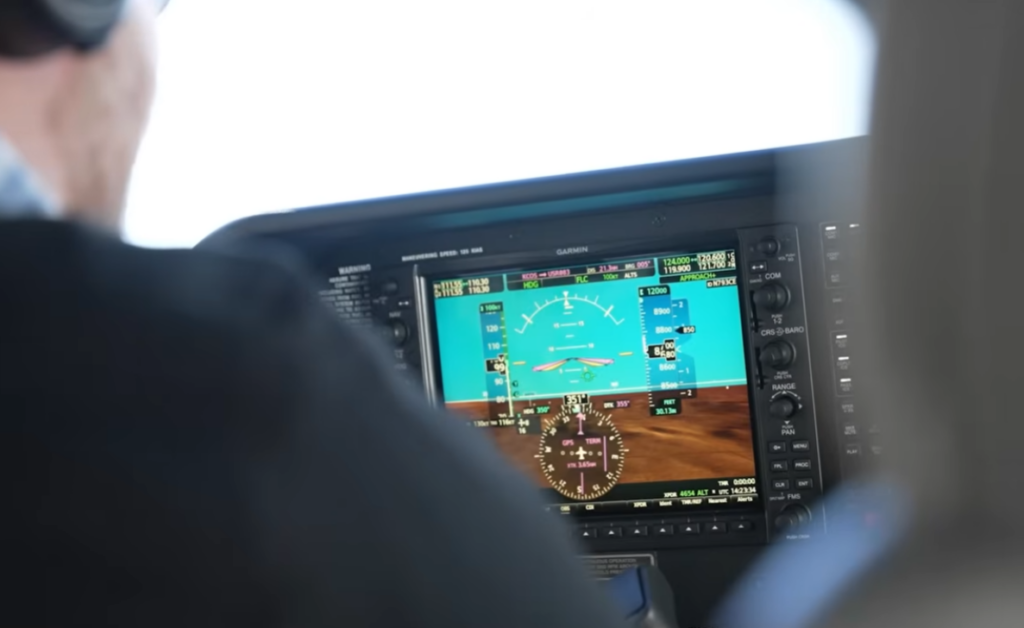
We’ve all been there in other airplanes where it’s hot and you’re trying to climb and giving it all its got and you’re just barely climbing. This airplane NEVER felt that way.
It’s got a 310 horsepower turbocharged engine with a service ceiling of up to 26,000 feet, so you just always felt like you still had a lot of power and margin.
High Altitude
We were using the built-in oxygen system a lot during these three days of flying. Trying to get into some mountain airports while being cautious with weather, it felt REALLY good that you knew you had an additional “out” of just climbing up over everything and getting out of there if you needed to.

You have the turbocharged engine and oxygen onboard to do it. The port is externally serviceable so it makes it easy to refill. We never had to refill it and we had 3 adults using it a lot for 3 days of flying.
Handling
The handling characteristics of this plane are great. Like all Cessna’s, it’s extremely easy to fly. If you have ever flown a Cessna 172, you can absolutely fly a 206. It’s just a bigger, heavier, much higher powered 172.
You’ll immediately notice on takeoff you need a LOT more right rudder than you’re used to. It’s going to climb really well. In the climb, it manages temperatures really well.
In my 1975 Cessna 182 I do have to be careful not to overheat it, especially in the Texas summer. The 206 has really great cooling.
It’s very responsive, not laggy, and doesn’t feel like you’re flying a huge airplane. Things will be happening a little faster than you’re used to in a 172, so the first few times you fly it, you may feel tempted to slow down earlier than necessary.
You can lower the first notch of flaps even at 140 knots of indicated airspeed which is cool. Once you get to full flaps, it’s nearly 40 degrees of flaps and it produces a TON of drag.
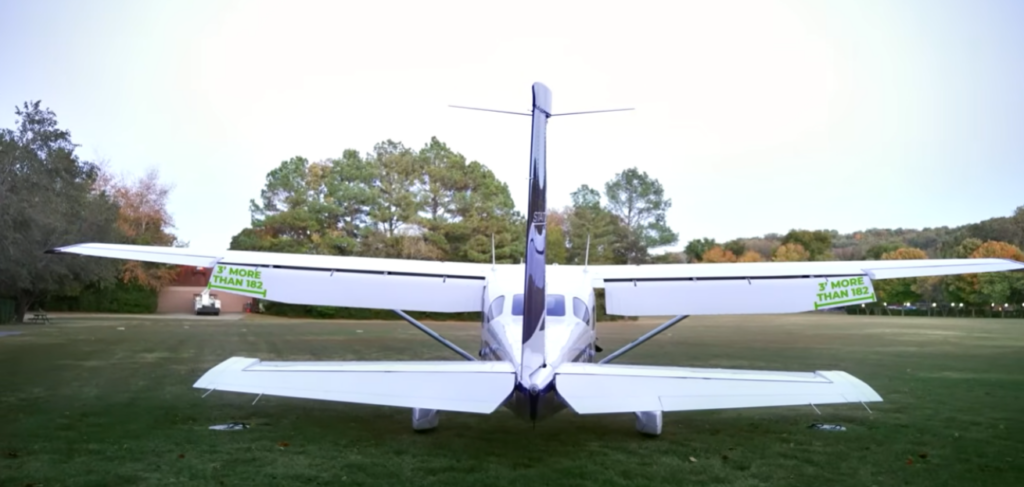
You have to add a surprising amount of power to maintain your approach speed. So, it can slow down in a hurry.
The actual landing is very easy. We were doing approach speeds of about 75 knots to give us plenty of extra margin in the wind shear in Aspen, and the stall speed is 57 knots, so you are coming in plenty slow and then the spring steel landing gear makes your landings really smooth.
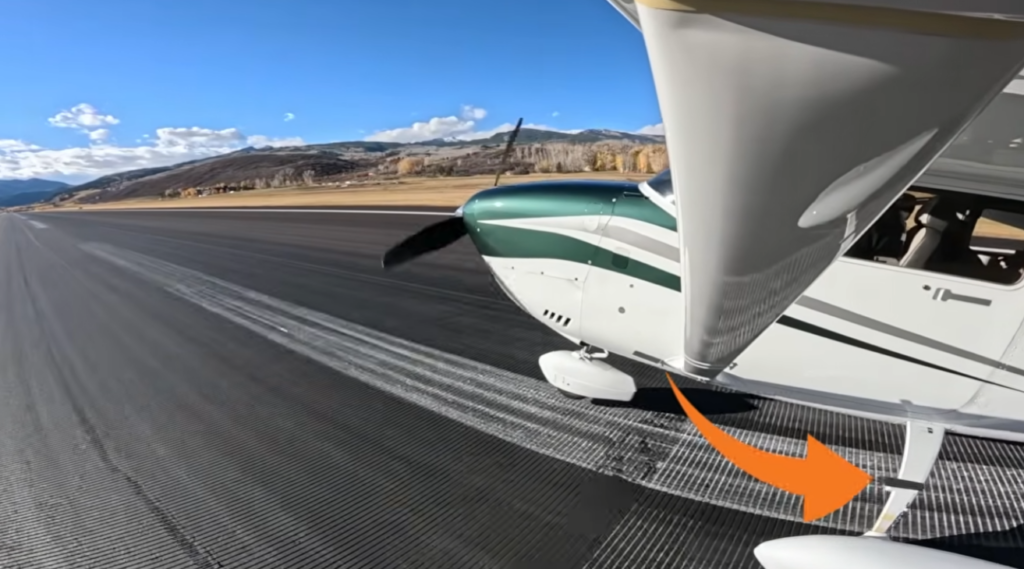
A few years ago we flew the 206 onto a grass strip and that landing gear really shines there. It’s extremely smooth and absorbs a lot of the bumps.
Utility
One of the best features on the 206 is the set of double doors in the back.
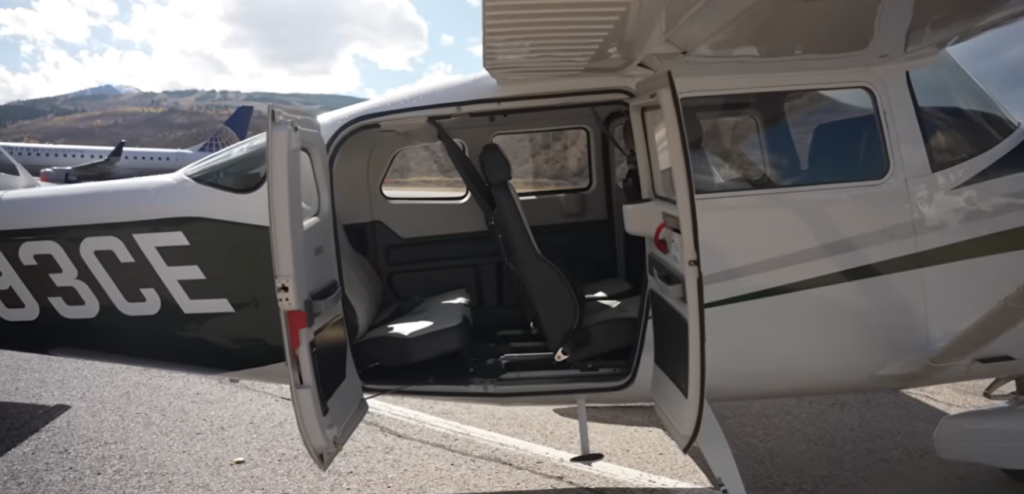
You access the third row through these doors but the aft bench seat also folds down to get to the back cargo area. You can also remove the aft bench seat pretty easily and have that entire space back there for stuff.
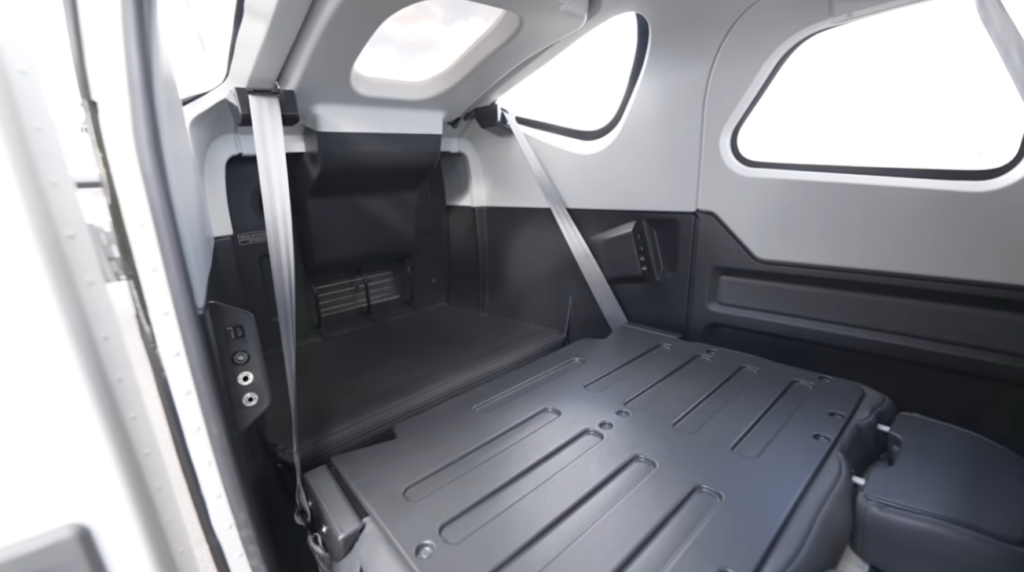
That bench seat isn’t as roomy as the other four seats in the plane, so it’s better suited for smaller adults or children. If it were me, I would just keep that bench seat removed and use the cargo area.
You do still have oxygen and headset plugs for all six seats if you want to use them.
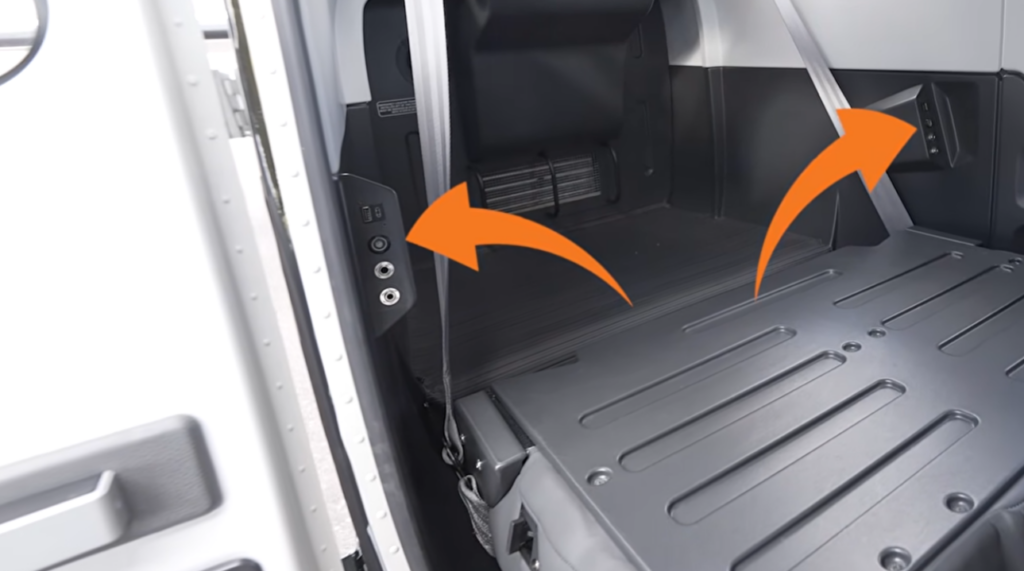
One of the downsides of the double doors is that the front four seats are accessed all through the pilot door. There’s no copilot door. I think it’s a worthwhile tradeoff for the double doors in the back, but it’s worth being aware of.
Tech
The inside of the 206 is just gorgeous.
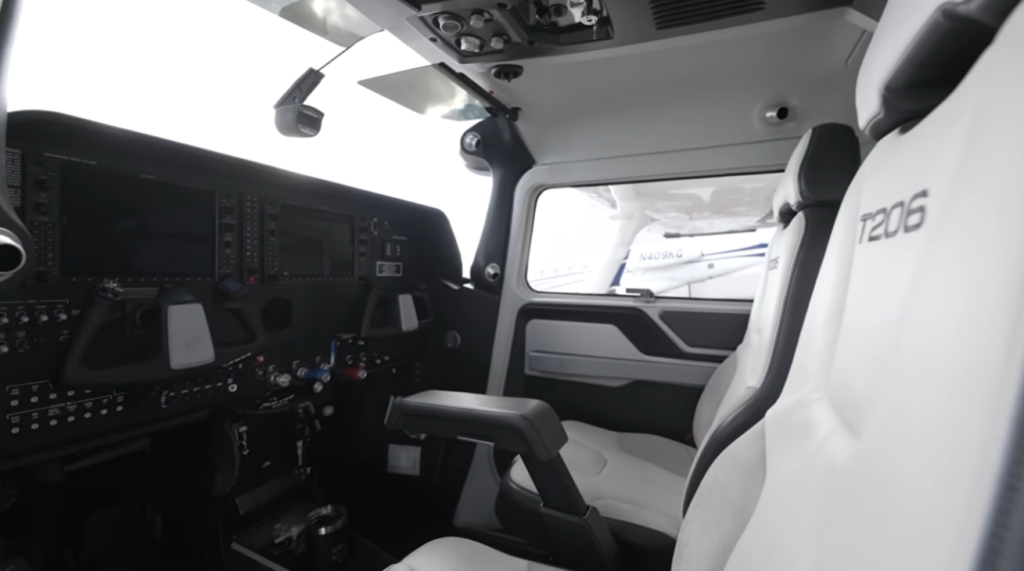
If you’re coming from a 172 or 182 it’s a little bit wider inside, which makes a noticeable difference. It’s roomy enough to have a middle arm rest in the front seat, which is a nice addition.
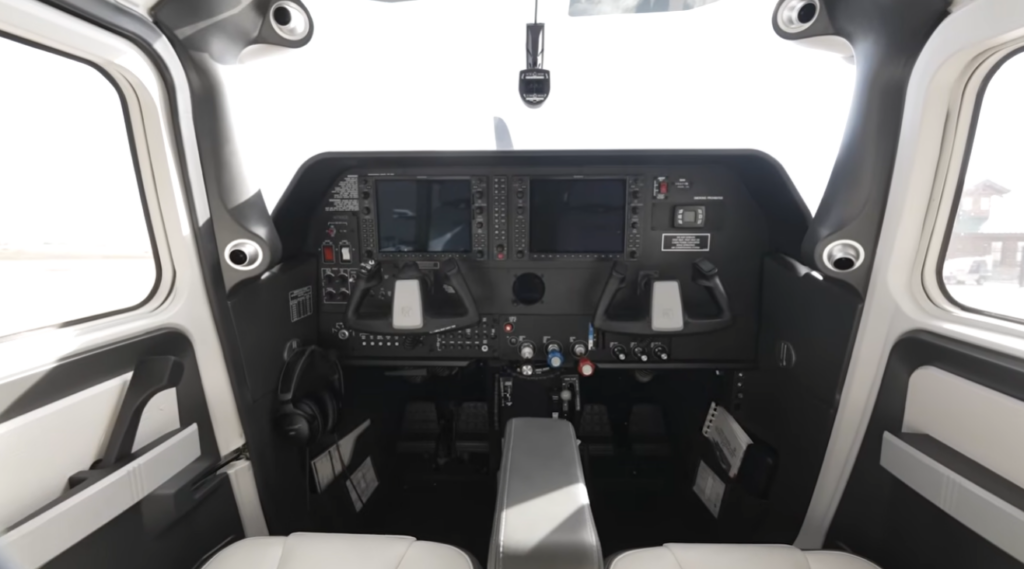
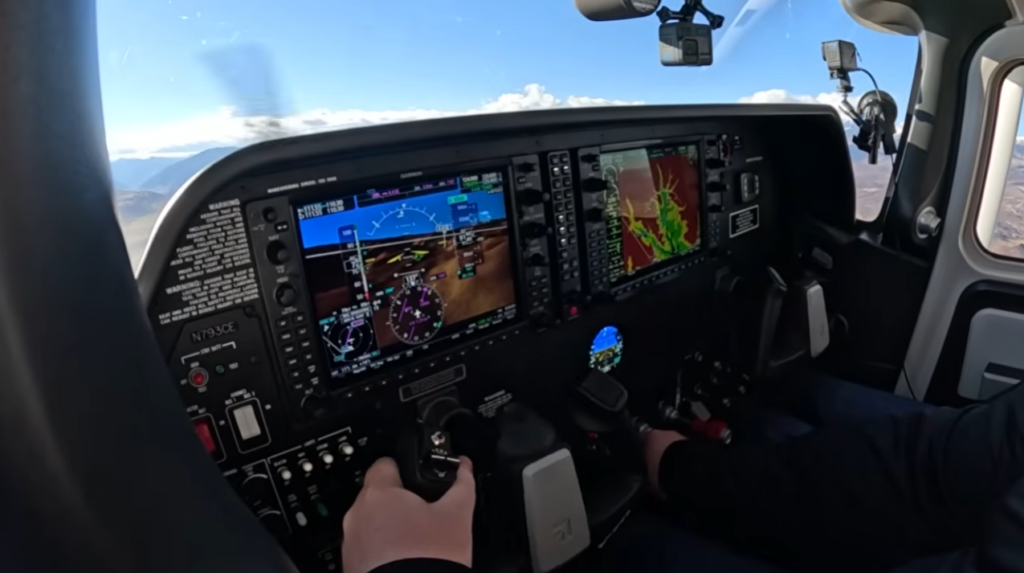
It’s got the Garmin G1000 NXi which is the latest and greatest from Garmin. Recently they moved to the standby instruments being replaced by one digital backup in the GI275, so there’s no vacuum system on board anymore and it’s all electric.
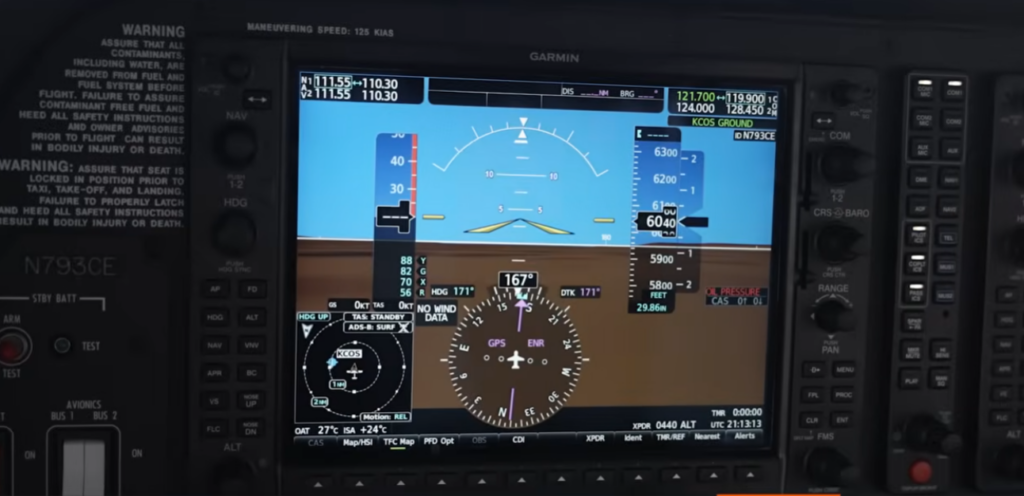
The GI275 has an internal battery as well in the event of a total electrical failure so you have lots of redundancy.
Along with the latest G1000 NXi, you get some cool features like visual approaches synced with the autopilot and Flightstream, which is a way to sync your iPad to the panel so that you can upload or update flight plans all from your iPad. That’s a really helpful feature.
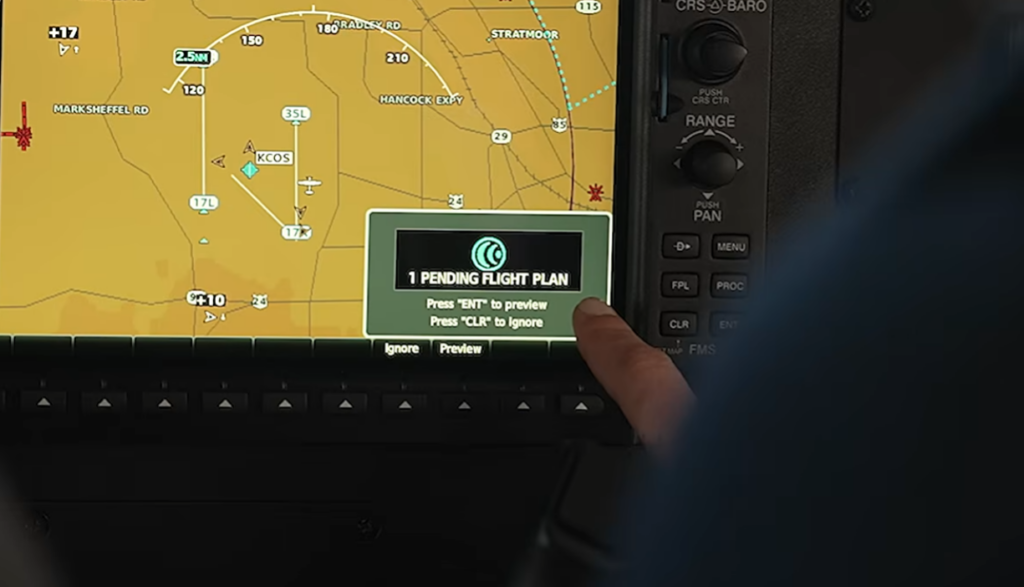
My favorite technological feature on this airplane is the ESP, or electronic stability and protection. Basically it can roll you back to wings level and engage the autopilot if it senses that you are in an unusual attitude for too long. This feature could save your life. The new 182 is also equipped with it.
My Takeaways on the T206
Luxury utility airplane, not just backcountry hauler
First, I’ve always pictured the 206 as the classic workhorse, like the 206 I saw at Sulphur Creek in Idaho parked outside of a cabin that was used to haul in all of the supplies. That was my mental picture for a 206. And yes, it absolutely still can do that.
But this new turbo 206 completely reframed it for me. It’s a legitimate luxury-utility airplane that can handle pretty much ANY mission you throw at it.
Useful load is the real headline
Next, I think the reason you step into one of these from a 182 isn’t for the speed, it’s for the useful load. Going 160 knots versus 140 is certainly nice, but unless you’re routinely going far I don’t think it will add up to a massive difference.
The useful load is really where the 206 sets itself apart. Full fuel and still 900+ pounds for people and bags is a game changer.
Lots of margin
The turbocharged engine plus tons of useful load gave us margin that just always felt great. Even with three people, gear, and full fuel, we were well below max gross weight, so we still had GREAT performance.
And it was awesome to know that you could just strap on oxygen and go straight over the mountains, or even climb above the pretty high clouds. It felt like you always had extra power and altitude if you needed it to get out of something.
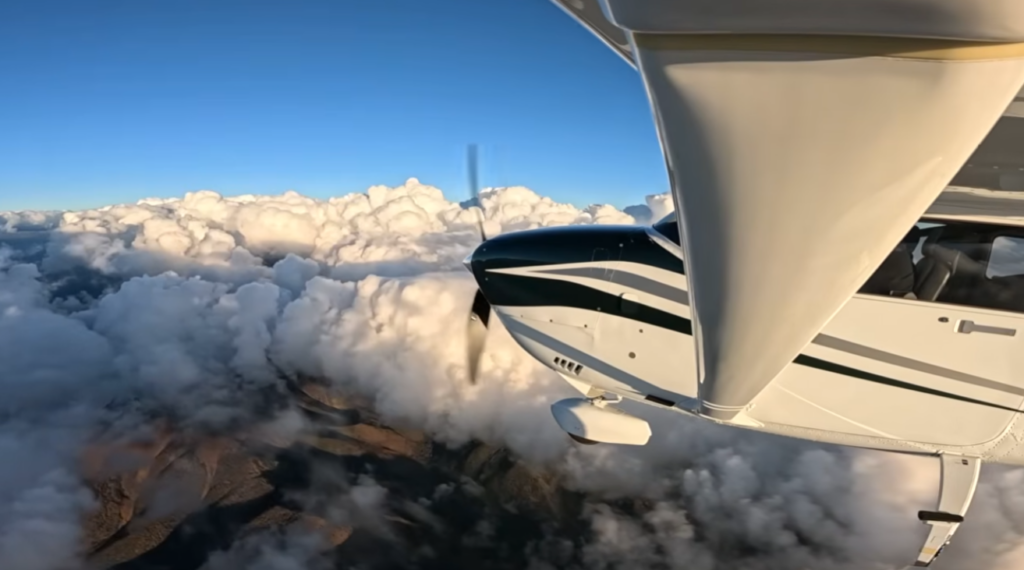
Having that extra flexibility and margin was VERY comforting and something that really stands out.
The 206 isn’t overkill
I used to think that the 206 was probably overkill if you’re flying mostly solo and occasionally taking the whole family.
What surprised me is that while the payload might be more than I personally need most of the time, the performance is something worth having on every flight.
Even flying solo, having this climb rate, the altitude capability, and the ability to take on a lot more weight when you need to makes that performance margin incredible.
Do everything, even better
The way I describe my 182 is that its super power is being good at a little bit of everything. Speed, useful load, range, backcountry, etc. I love my 182. But the 206 is a “do everything, even better” version of that.
More performance, more margin, more capability. I totally see one of these in my future when I can afford it.
I came in thinking the 206 was mainly for people with heavy missions. I left thinking it’s also for pilots who want the most margin, flexibility, and capability, even if you fly solo, and do it all while in luxury.

Final Thoughts
If you want to see what this plane was like to fly, we flew it into the iconic Aspen airport in the middle of the Rocky Mountains and it was one of the most memorable flights in my logbook. Check it out in the video below.